
Recognizing the signs that a parent needs assisted living can be emotional and complex. Many adult children feel uncertain about when their loved one truly needs more support. However, paying attention to key changes can help you make confident, informed decisions that prioritize safety, health, and overall quality of life.
In Peoria, planning ahead helps families feel more prepared and confident in their decisions. Knowing when to move a parent to assisted living starts with noticing specific shifts in daily routines and overall health.
1. Declining Personal Hygiene and Self-Care
One of the earliest signs your parent may need assisted living is a noticeable change in grooming and hygiene. It often signals difficulty managing everyday tasks.
Watch for:
- Wearing the same clothes for several days
- Noticeable body odor or infrequent bathing
- Unkempt hair or poor oral hygiene
- Difficulty completing basic grooming tasks
These changes may stem from mobility challenges, memory loss, or even fear of falling. Bathrooms can become unsafe spaces, leading older adults to avoid bathing altogether.
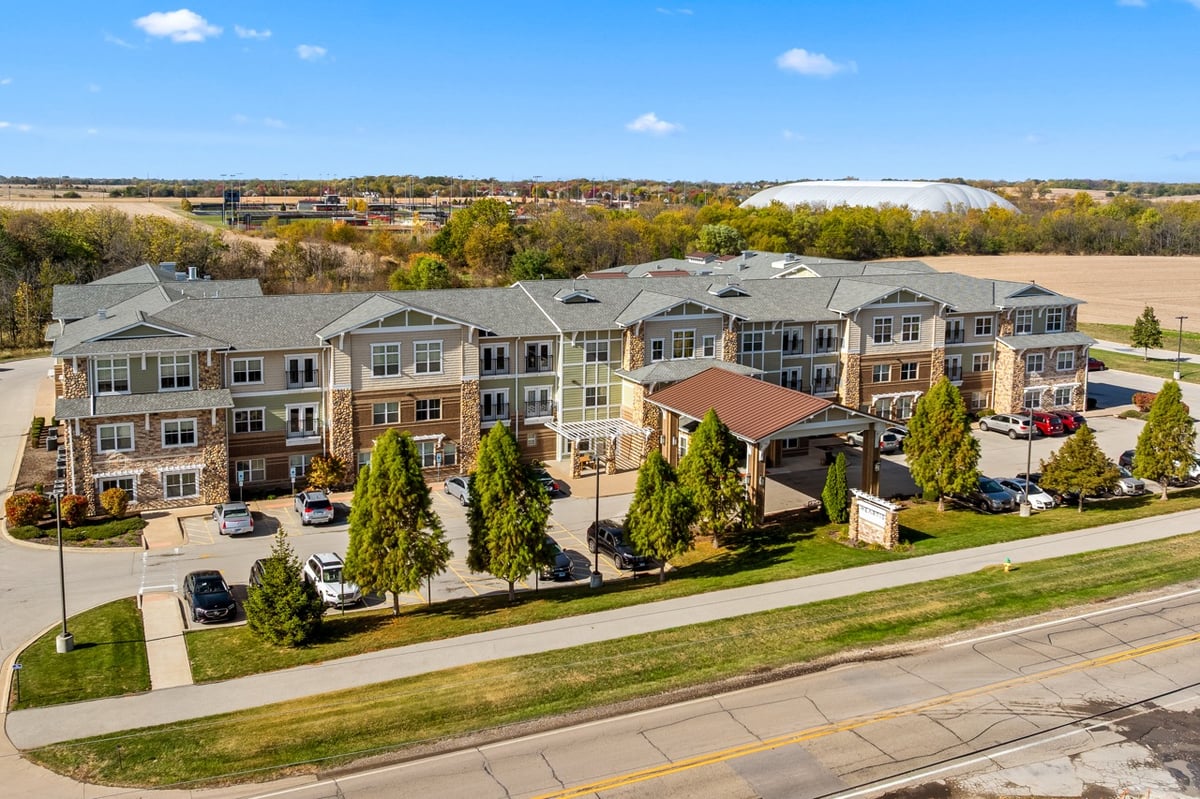
Heartis Peoria's Assisted Living residents receive respectful assistance with daily routines like bathing and grooming. This helps maintain dignity while ensuring health and comfort.
2. Missed Medications and Medical Appointments
Another sign your parent needs assisted living is when they start forgetting doctor appointments, missing medications, or taking incorrect dosages. These could quickly affect overall health.
Look for these signs:
- Medications not being refilled on time
- Expired prescriptions left unused
- Confusion about schedules or dosages
- Skipped or forgotten doctor appointments
Communities like Heartis Peoria provide medication management and coordination with healthcare providers. Scheduled transportation and consistent oversight help residents stay on track and reduce avoidable health risks.
3. Shifts in Home Maintenance and Safety
Another indicator is a change in how the home is maintained. This can point to growing safety concerns when a parent is living alone.
Tasks that were once part of a routine may start to feel overwhelming or go unfinished. You might notice unopened mail or unpaid bills beginning to pile up, along with spoiled or missing food in the kitchen. Living spaces may appear more cluttered than usual, and there could be signs of minor cooking accidents, such as burn marks on cookware. In some cases, trash may accumulate, or small maintenance issues go unaddressed.
These changes can suggest that managing a household alone has become more difficult. Assisted living can help ease these day-to-day responsibilities by providing help with housekeeping, meals, and maintenance. At Heartis Peoria, residents have a maintenance-free lifestyle, along with chef-prepared meals and daily programs.
4. Social Withdrawal and Isolation
Isolation is one of the most overlooked assisted living warning signs. If your parent is no longer engaging in hobbies or spending time with others, it may be time to take a closer look. You might notice they rarely leave the house. They may also lose interest in events they once enjoyed or spend less time with others. Over time, this can lead to increased feelings of loneliness.
Social connection plays an important role in emotional and cognitive health. At Heartis Peoria, residents have regular opportunities to connect through shared meals, social events, and welcoming common spaces designed to encourage conversation and friendships. For many families, the need for assisted living becomes more apparent when isolation begins to affect overall health and daily life.
5. Frequent Falls or Mobility Challenges
Falls are a safety concern for older adults living alone. Even minor incidents can lead to serious complications. Watch for these mobility-related signs:
- Recent falls or near misses
- Unsteady walking or hesitation
- Avoiding stairs or certain areas
- Using furniture for balance
Assisted living communities are designed with safety in mind, including features like grab bars, emergency call systems, and well-lit spaces. At Heartis Peoria, residents also benefit from wellness programs that support strength and balance, along with 24-hour assistance for added peace of mind.
Taking the Next Step
Recognizing the signs that your parent needs assisted Living is the first step in helping improve their safety and comfort. If you've noticed several of these warning signs, scheduling tours of Peoria communities can help you explore available options. Assisted living environments can provide more consistent support, along with opportunities for social connection and regular meals.
Schedule a tour at Heartis Peoria to see how Assisted Living can provide the right balance of support, comfort, and connection for your parent.