
Summary
When your aging parent lives far away, long distance caregiving for an aging parent involves balancing worry with practical support from afar. Proactive planning, trusted local connections, and thoughtful communication can help you provide quality care while maintaining your parent's independence and peace of mind.
- Watch for warning signs during visits and calls, including missed appointments, changes in grooming, medication confusion, or signs of isolation
- Build a reliable local support network with neighbors, friends, professional caregivers, meal services, and senior programs to provide regular check-ins
- Use technology strategically—video calls, medication reminders, and smart home devices strengthen communication without replacing personal connection
- Have honest conversations about future needs, focusing on safety and quality of life rather than loss of independence
- Explore senior living communities offering assisted living or memory care when support needs increase, providing structure and social engagement
When your parent lives alone in another state, the worry can feel constant. You may wonder whether they’re eating balanced meals, taking medications on time, or staying socially connected throughout the day. Long distance caregiving for an aging parent often comes with emotional stress and practical challenges, especially when adult children are managing parent care from another state while balancing careers, children, and their own households.
Caring for a parent from far away requires thoughtful planning, open communication, and trusted local support. Creating a reliable plan early can help families feel more confident while helping older adults maintain comfort, dignity, and connection.
Recognizing Signs Your Parent May Need More Support
Distance can make it difficult to notice subtle changes in your parent’s daily routine. During phone calls or visits, you may begin to notice signs that extra support could help improve their quality of life. Common concerns include:
- Missed appointments or unpaid bills
- Weight loss or changes in grooming habits
- Increased confusion about dates, medications, or routines
- Feelings of loneliness or isolation
When visiting, pay attention to their living environment as well. Is fresh food available? Are medications organized correctly? Does the home feel safe and manageable? These observations can provide important insight into whether your parent living alone out of state may benefit from additional support or a more connected community setting.
Building a Strong Local Support Network
One of the most effective long distance caregiving solutions is creating a dependable network close to your parent. Having trusted people nearby can provide reassurance between visits and help you stay informed about changes in your loved one’s well-being.
Helpful support options may include:
- Neighbors, friends, faith community members, or nearby relatives who can check in regularly
- Professional caregivers who assist with daily routines and medication management
- Meal delivery programs and scheduled transportation services
- Local senior programs that encourage social engagement and connection
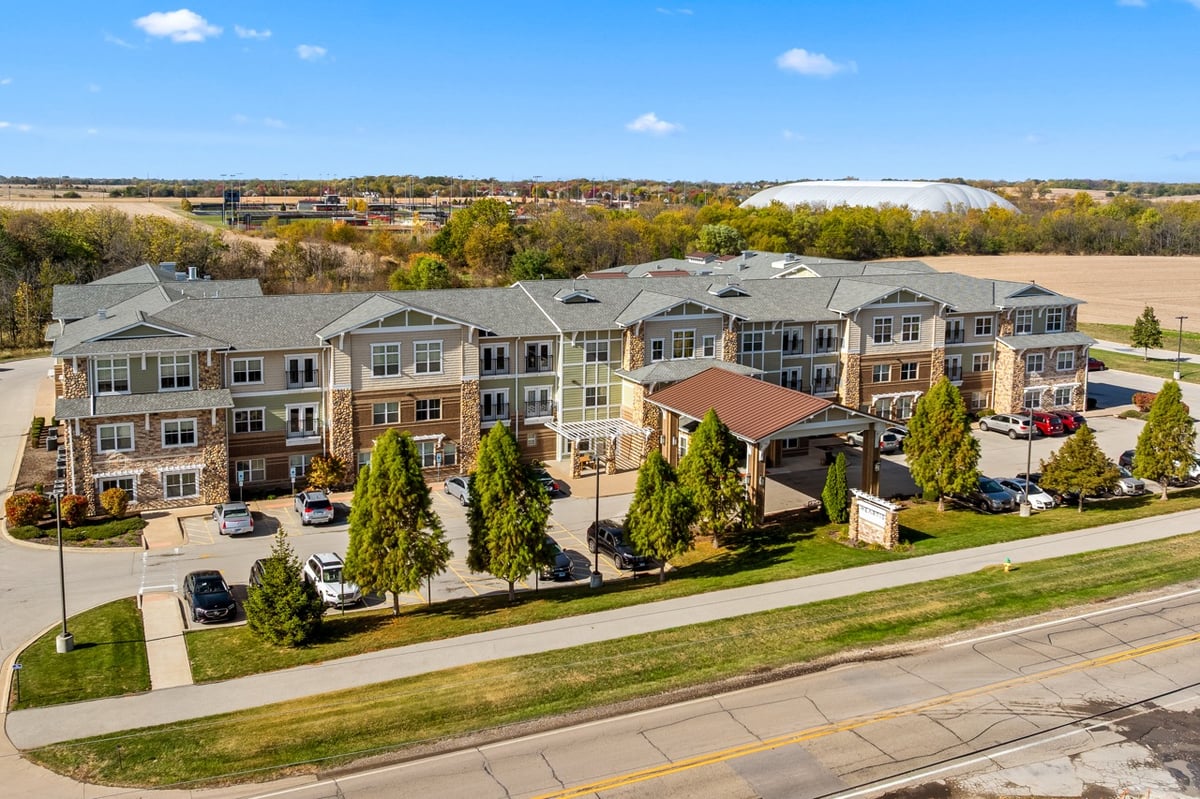
At Heartis Village Peoria, residents benefit from a welcoming environment designed to reduce isolation and encourage meaningful daily interaction. Restaurant-style dining, engaging lifestyle programs, comfortable shared spaces, and scheduled events help residents stay connected while families gain additional peace of mind.
Using Technology for Remote Support
Technology can make remote monitoring aging parent safety more manageable while helping families stay closely connected. Video calls through FaceTime or Zoom allow you to see your parent regularly and notice changes that may not come across over the phone.
Many families also use tools such as medication reminder apps, smart home devices, and wellness check systems to support daily routines. Simple habits, like scheduled morning or evening phone calls, can also provide reassurance for both you and your parent.
Technology works best when it strengthens communication rather than replaces it. Open conversations about privacy and comfort levels can help older adults feel respected while still receiving the support they need.
Exploring Senior Living Options
As support needs increase, senior living communities can provide valuable peace of mind for families managing parent care from another state. Assisted living communities offer personalized support, daily dining, housekeeping, transportation, and access to team members throughout the day and evening.
Memory care communities provide additional structure and specialized support for residents living with Alzheimer’s disease or other forms of dementia. These environments are designed to promote comfort, familiarity, and meaningful engagement.
Heartis Village Peoria offers both Assisted Living and SHINE® Memory Care in a supportive setting that helps residents feel connected and families feel reassured. The community’s personalized approach, welcoming common areas, wellness-focused programs, and thoughtfully designed residences can help ease the stress that often comes with caring for a parent from far away.
Having Honest Conversations About the Future
Conversations about future support can feel emotional for both parents and adult children. Many older adults worry that accepting help means losing control or independence. These discussions often happen gradually over time rather than in one conversation.
A thoughtful approach may include:
- Leading with care and concern instead of criticism
- Focusing on safety, comfort, and quality of life
- Asking about preferences and priorities for the future
- Including your parent in decisions whenever possible
Listening carefully and involving your parent in the process can help reduce fear and encourage more productive conversations.
Planning Ahead Can Reduce Stress
Even if your parent doesn't need immediate support, planning ahead can make future decisions less overwhelming. Researching local resources, exploring senior living communities, and discussing financial considerations early often helps families feel more prepared.
Many adult children managing long distance caregiving situations find reassurance in knowing their loved one has access to support, social connection, dining services, and a welcoming community environment. Proactive planning can help transform uncertainty into a more confident path forward for everyone involved.
For families exploring options in Peoria, Heartis Village Peoria offers Assisted Living and SHINE® Memory Care designed to support comfort, connection, and daily peace of mind.
Schedule an in-person tour to learn how Heartis Village Peoria can support your loved one and your family.