
Summary
Understanding stroke warning signs in older adults can help families recognize emergencies and respond quickly with potentially life-saving care. The B.E. F.A.S.T. method provides an easy way to remember key symptoms that require immediate 911 calls.
- **Balance, Eye, Face, Arm, Speech, Time**: Use B.E. F.A.S.T. to check for dizziness, vision changes, facial drooping, arm weakness, speech difficulty, and note when symptoms started
- **Act immediately**: Call 911 right away if any signs appear—do not drive to the hospital yourself, as paramedics can begin treatment en route
- **Look beyond B.E. F.A.S.T.**: Severe unexplained headaches, confusion, and balance problems can also signal stroke; for those living with dementia, watch for sudden changes from their usual abilities
- **Know the risk factors**: High blood pressure, diabetes, high cholesterol, heart disease, smoking, and inactivity increase stroke risk; regular medical checkups help monitor these conditions
- **Prepare ahead**: Keep updated medication lists, allergies, health conditions, and emergency contacts accessible to share with first responders
Stroke warning signs in older adults can appear suddenly, and knowing what to look for can help families act quickly. A drooping face, weak arm, or sudden trouble speaking should never be ignored. Learning a few key signs now can make it easier to respond if an emergency happens.
How to Recognize Stroke Symptoms in Seniors
The B.E. F.A.S.T. method is a simple way to remember several common stroke warning signs. For families recognizing stroke symptoms in seniors, it offers an easy checklist when something seems suddenly wrong:
- Balance issues: Notice if your loved one is suddenly dizzy or has difficulty with standing or walking.
- Eye changes: Ask your loved one if their vision is blurred, doubled, or otherwise impaired. Ask them to move their eyes from side to side and look for difficulty or an inability to do so.
- Face drooping: Ask your loved one to smile. Look for one side of the face drooping or appearing uneven.
- Arm weakness: Ask them to raise both arms. Watch for one arm drifting downward or sudden weakness or numbness.
- Speech difficulty: Ask them to repeat a simple sentence. Listen for slurred, unusual, or difficult-to-understand speech.
- Time to call 911: If any of these signs appear, call 911 immediately and note when the symptoms first began.
This family guide to B.E. F.A.S.T. stroke signs is important because stroke treatment is time-sensitive. Do not wait to see whether symptoms improve, and do not drive your parent to the hospital yourself. Emergency medical professionals can begin treatment on the way.
Know the Warning Signs Beyond B.E. F.A.S.T.
Not every stroke looks the same. Other sudden symptoms that can indicate a stroke include severe headache with no known cause, confusion, and difficulty with balance.
For a person living with dementia, a sudden change may be harder to recognize because confusion or communication difficulty may already be part of daily life. Families should pay attention to abrupt changes from the person’s usual abilities rather than assuming a new symptom is simply related to dementia.
Understand Stroke Risk Factors in Seniors
Stroke prevention for aging parents starts with understanding personal risk. High blood pressure is a major controllable risk factor, while diabetes, high cholesterol, heart disease, smoking, physical inactivity, and heavy alcohol use can also increase risk. Age and family history cannot be changed, but they can help families know when to have more detailed conversations with a physician.
Regular medical appointments can help older adults monitor blood pressure, cholesterol, blood sugar, heart conditions, and medication needs. Any prevention plan should be based on an individual’s health history and medical guidance.
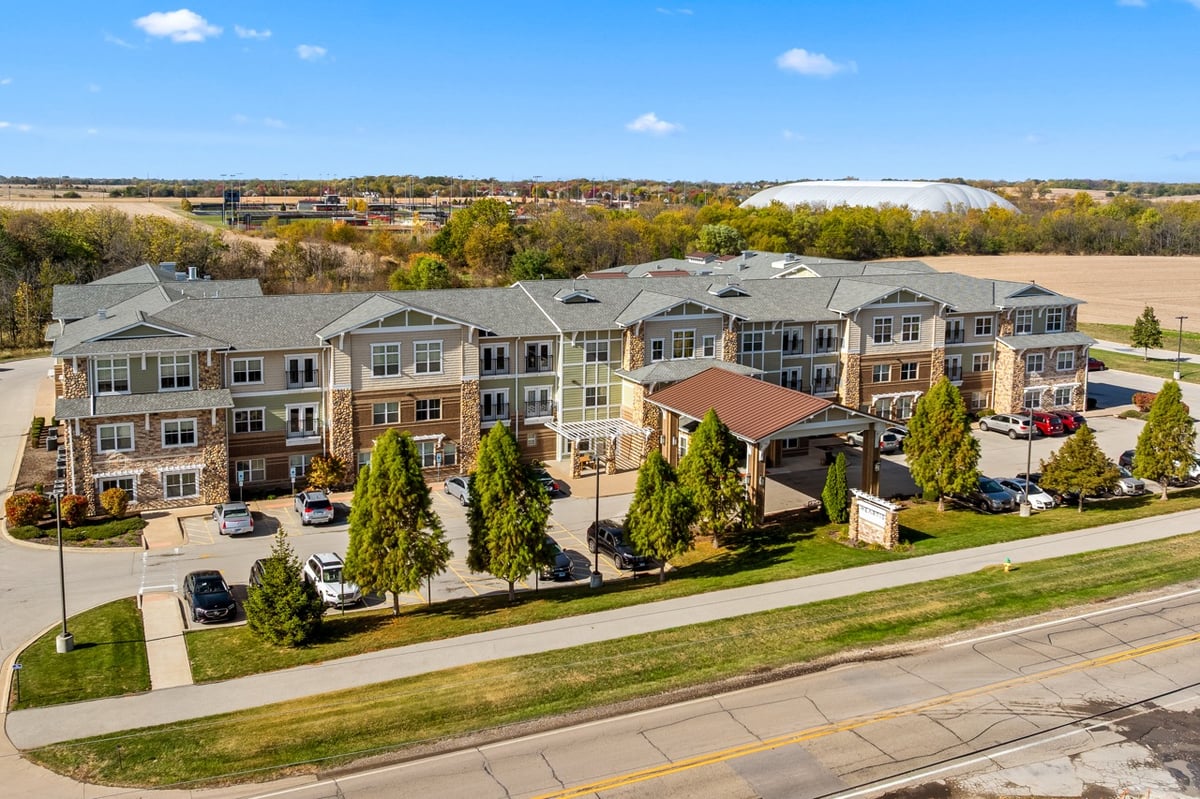
Healthy routines can also support overall wellness. Heartis Village Peoria’s Assisted Living residents have access to Dimensions Health & Fitness programming, chef-prepared Sensations Dining, scheduled Connections transportation, a fitness center, and scenic walking paths. These services and amenities can make it easier to maintain everyday routines and get to scheduled appointments.
Our SHINE® Memory Care neighborhood is built around resident customization and life engagement. Our community offers a personalized setting for residents living with dementia that supports individual health and wellness through daily programs, events, and more.
What to Do If Your Parent Has a Stroke
Knowing what to do if your parent has a stroke can help you avoid losing valuable time. Focus on getting emergency help rather than trying to diagnose the cause yourself:
- Call 911 immediately. Tell the dispatcher you suspect a stroke and follow their instructions.
- Note when symptoms began. This information can help the medical team determine treatment options.
- Do not drive them yourself. An ambulance allows emergency professionals to begin treatment while traveling to the hospital.
- Do not give them food or drinks. Swallowing may be affected. Stay nearby, keep your parent comfortable, and be ready to share relevant medical information.
Stay calm and reassuring while following instructions from emergency professionals. Having a current medication list and basic medical information available can also help you communicate clearly when responders arrive.
Build an Emergency Plan Before You Need One
A simple family plan can reduce confusion during a medical emergency. Keep an updated list of medications, allergies, health conditions, physicians, and emergency contacts somewhere easy to access. Reviewing the plan occasionally can also help everyone remember the stroke warning signs in older adults and the importance of calling 911 right away.
If your loved one resides in a senior living community, it is important to understand the community’s emergency procedures and know who will be contacted if a medical event occurs. Ask how team members communicate with families during emergencies.
Be Ready to Recognize and Respond
Recognizing a possible stroke quickly starts with knowing your loved one’s usual routines and remembering the warning signs. Families exploring added day-to-day support can learn how Heartis Village Peoria combines personalized assistance, wellness programs, Assisted Living, and SHINE® Memory Care. Schedule a personalized tour of Heartis Village Peoria to learn more about the community and its living options.